
cut laminated glass
The Significance and Function of Metal Check Valves A metal check valve, a crucial component in various fluid control systems, plays an indispensable role in maintaining the unidirectional flow of fluids. This engineering marvel, often referred to as a non-return valve or one-way valve, is designed with a simple yet effective mechanism that prevents backflow, ensuring fluid dynamics remain in the intended direction. The term metal in metal check valve refers to its primary construction material. These valves are typically made from robust metals like stainless steel, brass, bronze, or cast iron, endowing them with exceptional durability and resistance to harsh conditions. They can withstand high pressure, temperature fluctuations, and corrosive fluids, making them ideal for use in industries such as oil and gas, chemical processing, power generation, and water supply systems. The functioning of a metal check valve is straightforward yet critical. It consists of a valve body, a disc, and a spring (in some designs). When fluid flows in the correct direction, it pushes the valve disc open, allowing passage. However, when the flow attempts to reverse, the valve disc, either due to its own weight or the assistance of a spring, closes promptly, obstructing the backflow. This mechanism safeguards pumps from damage, prevents contamination, and maintains system integrity. One of the key advantages of metal check valves is their compact design, which allows for easy integration into pipelines without occupying significant space One of the key advantages of metal check valves is their compact design, which allows for easy integration into pipelines without occupying significant space One of the key advantages of metal check valves is their compact design, which allows for easy integration into pipelines without occupying significant space One of the key advantages of metal check valves is their compact design, which allows for easy integration into pipelines without occupying significant space metal check valve . Moreover, their low maintenance requirements and long service life make them cost-effective solutions in the long run. However, selecting the right metal check valve for a specific application requires careful consideration. Factors such as fluid type, pressure, temperature, and flow rate must be taken into account. The wrong choice could lead to issues like valve failure, system inefficiency, or even damage. In conclusion, the metal check valve is a silent but vital worker in many industrial processes. Its role goes beyond just controlling fluid flow; it ensures safety, efficiency, and system stability. Understanding its operation and selecting the appropriate model is essential for optimal performance and longevity. As technology advances, so do these valves, with newer designs offering improved sealing, faster response times, and higher pressure ratings. Despite its simplicity, the metal check valve remains a fundamental piece in the complex puzzle of fluid dynamics, safeguarding countless systems worldwide.
about
cut laminated glass
Understanding Bore Gauge Micrometers A Comprehensive Guide In the realm of precision engineering and manufacturing, a bore gauge micrometer is an invaluable tool designed to measure the internal dimensions of cylindrical objects. It combines the functionalities of a traditional micrometer with specialized features to ensure accurate readings within boreholes. This article delves into the significance, types, functionality, and proper utilization of bore gauge micrometers. What is a Bore Gauge Micrometer? A bore gauge micrometer is a measuring instrument primarily used to determine the diameter of holes in mechanical components, particularly in applications where a high degree of accuracy is required. This tool is especially essential in industries like automotive, aerospace, and manufacturing, where the slightest deviation in dimensions can lead to significant consequences. These micrometers are often equipped with a dial indicator or electronic readout for precise measurements and can typically measure ranges from a few millimeters to several centimeters. Unlike traditional external micrometers that measure outside dimensions, bore gauge micrometers focus solely on internal measurements, showcasing their specialized design. Types of Bore Gauge Micrometers Bore gauge micrometers come in various types, including 1. Dial Bore Gauges These include a dial indicator that displays the measurement readings . As the gauge is inserted into the bore, the indicator needle moves to signify the diameter. 2. Digital Bore Gauges Incorporating advanced technology, these gauges provide digital readouts, often including features such as data storage, conversion, and programming for specific measurements. 3. Mechanical Bore Gauges These are simpler and rely on mechanical components to give readings. They are typically more affordable but may lack the precision of digital versions. bore gauge micrometer Each type of bore gauge micrometer serves a unique purpose, catering to different industries and measurement needs. How to Use a Bore Gauge Micrometer Using a bore gauge micrometer requires precision and attention to detail. Here is a step-by-step guide to ensure accurate measurement 1. Preparation Clean the bore to remove any debris or contaminants that may affect the measurement. 2. Insertion Gently insert the bore gauge into the hole, ensuring that the measuring head is adequately oriented within the bore. 3. Adjustment Rotate the adjustment mechanism until the measuring tips make light contact with the inner walls of the bore. It’s crucial to ensure that the tips are perpendicular to the axis of the bore for accurate readings. 4. Reading Observe the dial or digital display to read the measurement. Take note of any required conversions based on your specific applications, such as metric or imperial units. 5. Recording Document the measurements for quality control or further analysis. Consistency in measurement practices is crucial, particularly in quality assurance processes. Conclusion Bore gauge micrometers are essential tools in precision measurement, enabling engineers and technicians to achieve high standards of accuracy in internal measurements. Understanding the various types, functionalities, and proper usage significantly improves the quality and reliability of measurements in production processes. As industries evolve and the demand for precision increases, mastering the use of bore gauge micrometers becomes more imperative than ever. With the right knowledge and practices, professionals can leverage this tool to enhance quality, efficiency, and product integrity in their respective fields.
-

High quality industrial productsagement

High quality industrial products
View Details -

Meet the diverse needs of customers

Meet the diverse needs of customers
View Details -

Strict quality control

Strict quality control
View Details -

Top raw materials

Top raw materials
View Details -

Trusted supplier

Trusted supplier
View Details
Our application



news and information
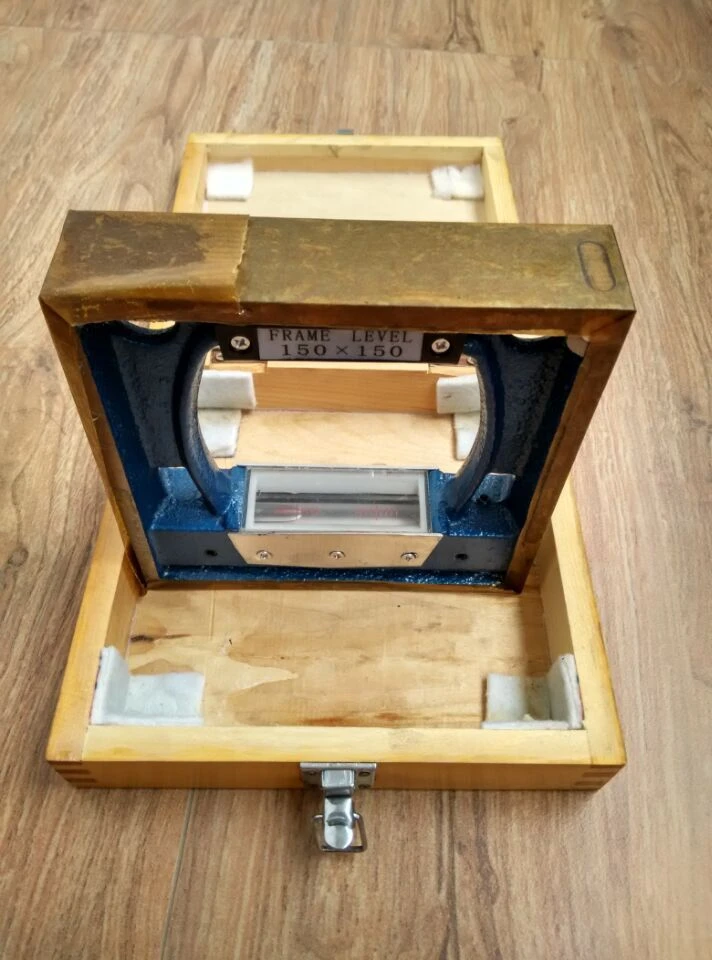
Y Type Water Strainer for Efficient Filtration and Flow Control Solutions
Understanding Y-Type Water Strainers Functionality and Applications Water strainers are essential co
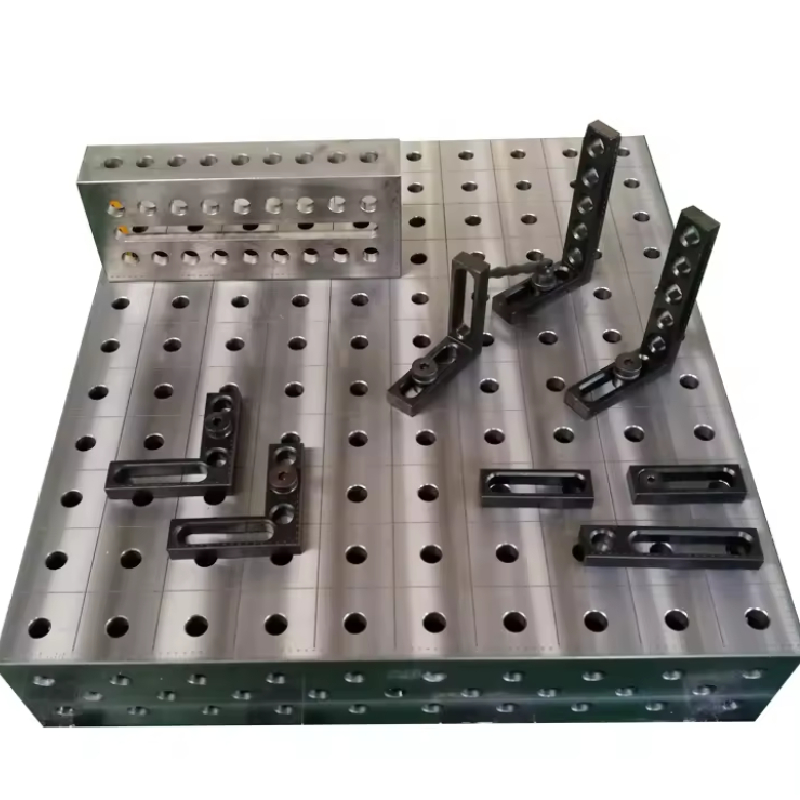
Using Thread Ring Gauges for Accurate Measurement and Quality Control in Manufacturing Processes
The Importance of Thread Ring Gauges in Quality Assurance In the world of manufacturing and engineer
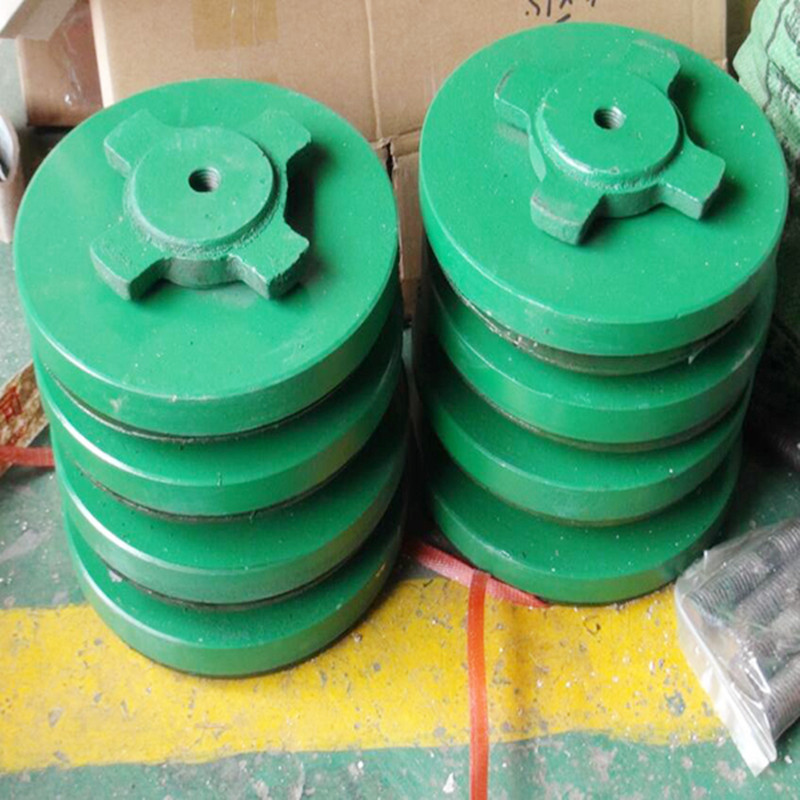
Welding Fabrication Techniques A Comprehensive Guide for Professionals
Understanding Welding Fabrication Tables A Key Tool for Precision and Efficiency Welding fabrication
 English